Domestic hot water
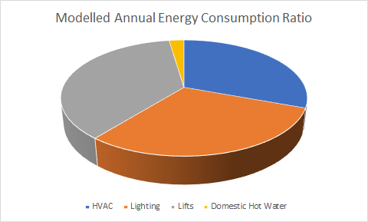
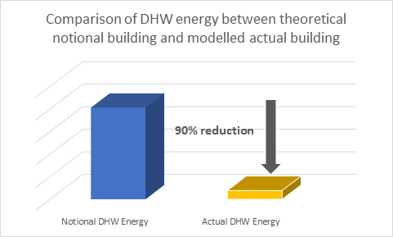
The domestic hot water system generates at least 50% of the hot water for the building with a heatpump system, which uses less electricity than a conventional electrical geyser system.
Energy consumption for domestic hot water in South Africa must adhere to National Building Regulations, listed in the SANS 10400-XA – Energy Usage in Buildings Standard as: “Not more than 50% of the annual volume of domestic hot water should be supplied by means of electrical resistance heating, i.e., 50% or more of the hot water used must be heated by energy sources other than electricity.”.
Domestic hot water at the d-school building is entirely produced by a heat pump. Heat pumps are energy efficient alternatives to solar and electrical resistance geysers and their energy efficiency is typically about 3:1 compared to electrical heating, depending on the ambient air temperatures.
GREEN STAR CREDITS
- ENE-01 – Greenhouse Gas Emissions
The aim of this credit is to encourage and recognise designs that minimise greenhouse gas emissions associated with operational energy consumption.
- WAT-01 – Potable water
The aim of this credit is to encourage and recognise building design that minimises potable water consumption.